
On screen · opening
In England, an astronomer just saw a flash on the Sun. Tonight, it hits Earth.
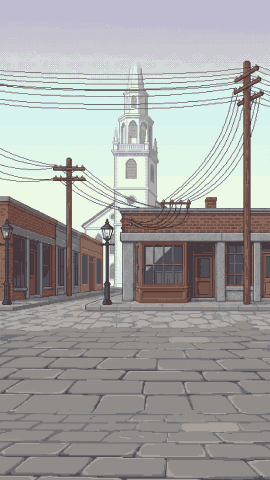
EP.06 · Codex entry
Boston, 1859 · “Unplugged”
In the early hours of 2 September 1859, the biggest solar storm on record lit the night sky red and green and sent currents racing through the world's telegraph wires. The Short follows Henry, a fictional night telegraph operator in Boston, through the night it arrived. This is the history behind it.

A night telegraph operator. He stands in for the people whose names we'll never know.

His son, about ten, a telegraph messenger boy.
A flash on the Sun, seen by the astronomer Richard Carrington just before noon on 1 September 1859.12
A first storm on Sunday night, 28 August, that knocked out telegraph lines.23
Telegraph wires that threw sparks, paper that caught fire and operators who got shocks.12
A sky so red that people thought neighbouring towns were on fire.2
Miners in the Rocky Mountains who got up and started breakfast, thinking it was morning.1
Operators in Boston and Portland who unplugged their batteries and kept sending.1
Days before the great storm, a first one knocked out many North American telegraph lines. One telegraph engineer wrote that the wires were affected "more than ever before".23

Northern lights on the wires again. Same as Sunday.
The astronomer Richard Carrington, sketching sunspots, saw two patches of brilliant white light flare up. Richard Hodgson saw it too. The storm it launched took about 17.6 hours to reach Earth.12
In England, an astronomer just saw a flash on the Sun. Tonight, it hits Earth.
Telegraph lines linked Boston to Portland, Maine, and far beyond. Each line ran on banks of batteries at its stations.1
From these batteries, Tom. No battery, no message.
The aurora spread far beyond the poles. In the north-eastern United States it was bright enough to read a newspaper by, and the sky was so red that many thought neighbouring towns were on fire.12
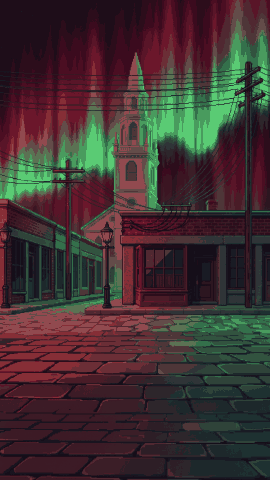
Currents induced by the storm made telegraph wires spark. Some telegraph paper caught fire, and operators got shocks: in Washington, Frederick Royce was badly shocked when his forehead touched a ground wire.12

Don't touch the wires, Tom! Outside, now!
The Boston operator asked his colleague in Portland to "cut off your battery entirely". With both batteries disconnected, they worked the line for about two hours on the current from the sky alone.1
On 2 September, Boston and Portland operators unplugged their batteries.
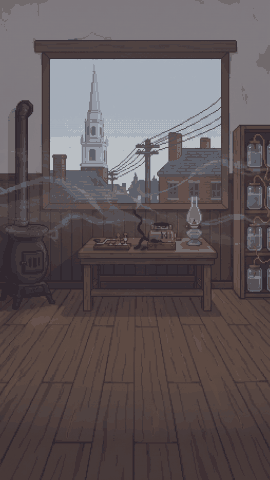
On 2 September, Boston and Portland operators unplugged their batteries.
They sent messages for two hours on the aurora's power alone.
Henry is fictional. The battery-free telegraph is real.
Each line from the Short that makes a historical claim, beside what the record says.
In England, an astronomer just saw a flash on the Sun. Tonight, it hits Earth.
From these batteries, Tom. No battery, no message.
Telegraph stations ran on batteries; the famous Boston and Portland exchange begins with a request to cut them off.1 Henry and his night shift are our invention.
High
Papa, the telegraph is clicking! Nobody's sending!
Northern lights on the wires again. Same as Sunday.
The storm arrived about 17.6 hours after the flare, around midnight in Boston. Accounts differ on exactly when the aurora appeared over the city.1
Medium
Papa, is the whole city on fire?
Telegraph wires threw sparks. The sky glowed as far south as Cuba.
In the Rockies, gold miners got up and made breakfast. They thought it was dawn.
They sent messages for two hours on the aurora's power alone.
The Boston and Portland operators worked their line for about two hours on auroral current alone.1
HighIn 1859 the telegraph was the only electrical network. A 2013 study for Lloyd's of London estimated that a similar storm would cost the United States alone between 0.6 and 2.6 trillion dollars.1
On 23 July 2012, a storm of the same class erupted from the Sun and missed Earth by about nine days.1
MediumOverview of the flare, the storm, the telegraph effects and what a repeat could cost today, including the Boston and Portland exchange.
Readable account of the night: the red skies, the fires, the shocks and the first storm on 28 August.
A telegraph engineer's account written the following year, describing how the aurora affected the lines.
History's NPCs. "The Carrington Event (Boston, 1859): Unplugged." The Codex, 2026. https://historysnpcs.com/06-carrington/